K Enerji
Home › Renewable Energy
01 · Renewable energy

Hybrid renewable energy systems: solar (PV) + wind + storage

Renewable energy solutions give military units a number of critical advantages in terms of security and operational effectiveness.

How does it work?

The hybrid system: generation, storage and uninterrupted supply

A hybrid renewable energy system connects solar panels (PV) and wind turbines to the same energy storage system. Energy from the sun during the day, and from the wind at night and in overcast weather, is fed to consumers through a hybrid inverter, while any surplus is stored in LFP batteries. In the system diagram, the POD (energy storage cabinet) represents this storage, and the Modular Temporary Base Area (MGÜP) represents the living and operational area it supplies.

The loads being supplied are pieces of equipment that directly affect a unit's mission: thermal cameras, jammers, two-way radios, camera traps, radios and radar. For these devices, an uninterrupted power supply is not a matter of comfort but an operational necessity. The generator serves only as a backup; the main load is carried by the renewable sources and storage.

Why does silent operation matter?

An energy system that runs almost silently compared with a generator makes listening and surveillance activities far easier to carry out. Removing exhaust fumes and noise also means a cleaner, healthier working environment.

Security of supply and mobility

As dependence on power transmission lines falls, line faults and sabotage lose their impact. Thanks to its portable, modular design, the system can be set up quickly with stations of 10–20 solar panels in natural disasters such as earthquakes, and can supply energy around the clock. Capacity can be expanded as demand grows.

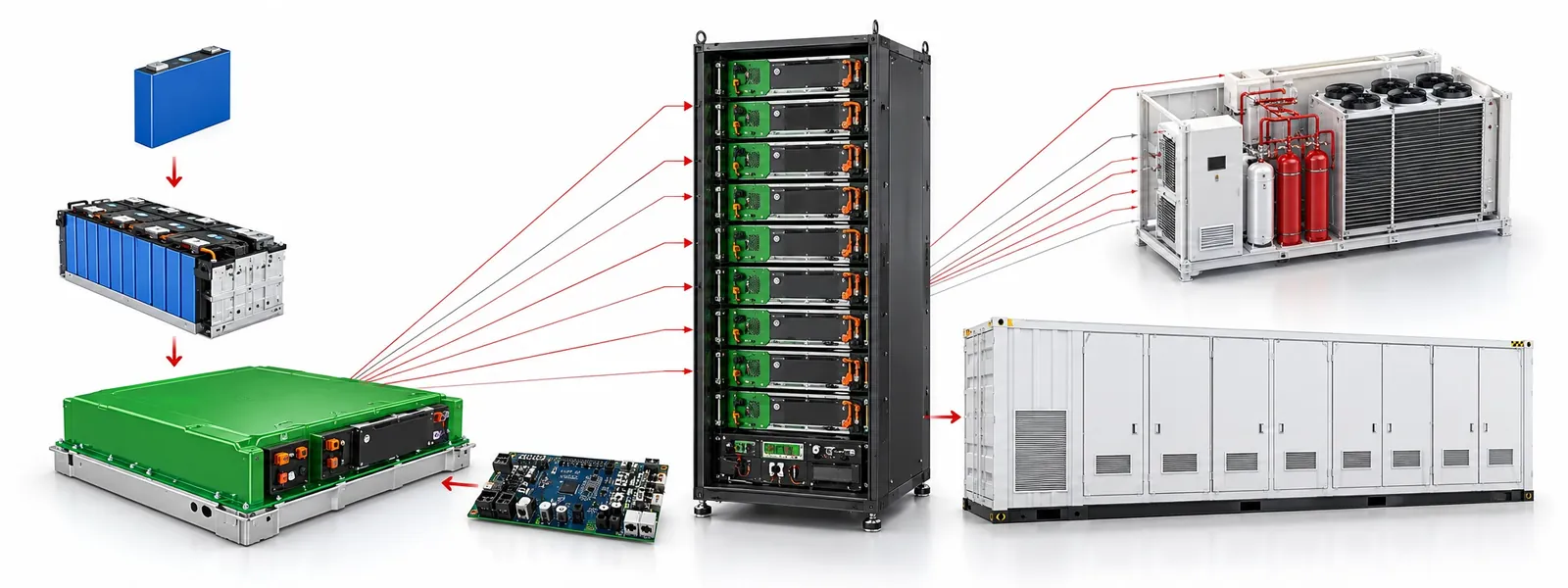
For technical details of the battery side, where the energy is stored, see our LFP energy storage systems page.
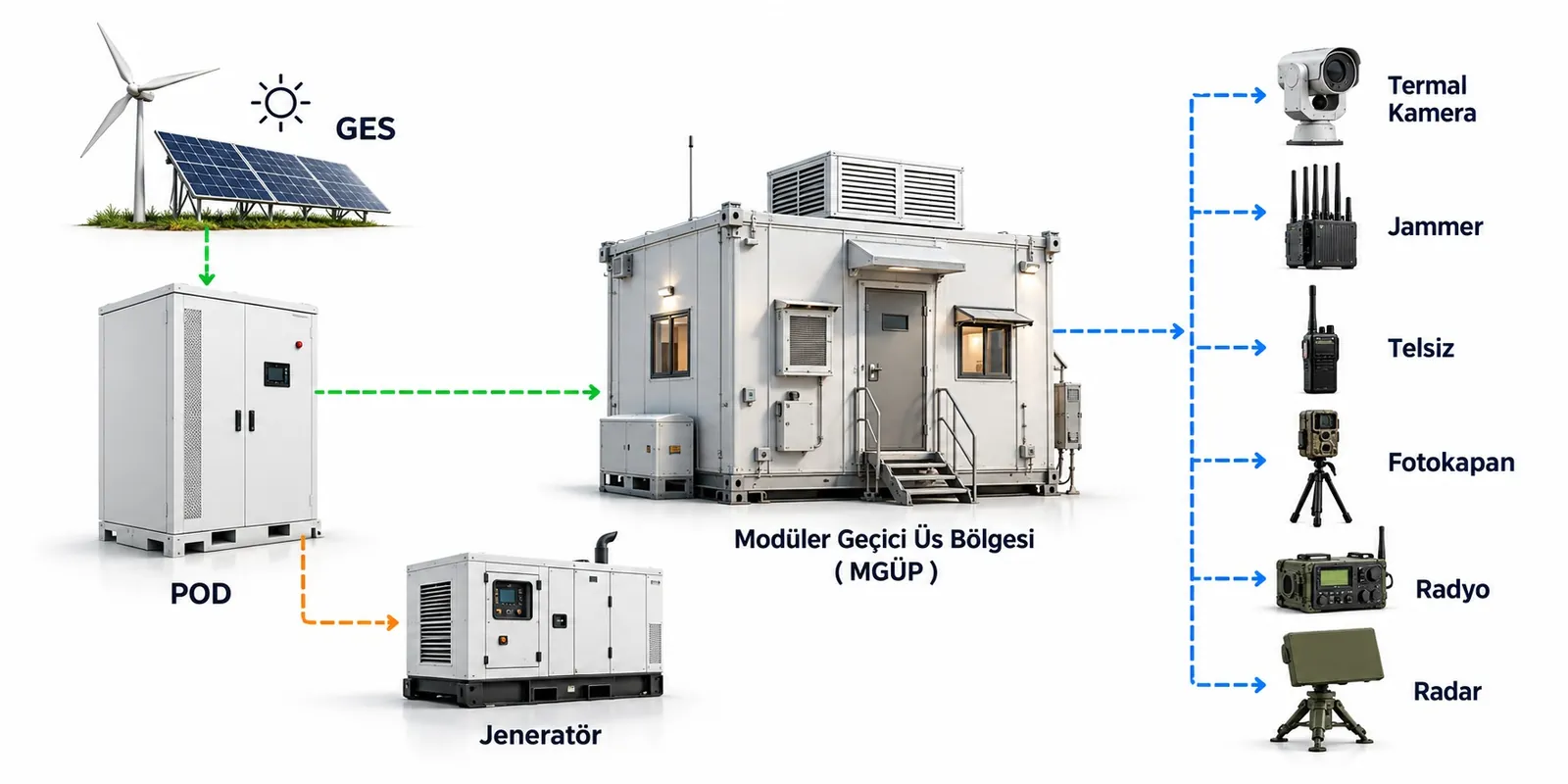
Hybrid system diagram: solar PV, POD, Modular Temporary Base Area (MGÜP), generator and critical loads

Benefits of renewable energy systems

Easier ResupplySilent OperationLong Service LifePortabilityFuel-Free OperationSecurity InfrastructureRemote MonitoringContinuous GenerationExpandable CapacityLow Running CostsInstallation and operation independent of grid infrastructure
Key features

Key features of renewable energy systems

Energy Independence

  • Meets the energy needs of outposts and accommodation towers.
  • A reliable, zero-cost energy source for long-duration operations.

Portable and Modular Solutions

  • Expandable energy systems that are easy to transport and install.
  • Systems that scale to different energy requirements.

Safety and Reliability

  • High safety thanks to a low risk of thermal runaway.
  • Stable performance even in harsh climates, thanks to the hybrid design.

Environmentally Friendly

  • A low carbon footprint and recyclable materials.
  • Silent operation keeps environmental disturbance to a minimum.
Military units

Energy challenges faced by military units and our solutions for saving energy

01

Installing a hybrid system (solar PV + wind + energy storage) to meet all of a unit's electricity needs at zero running cost.

02

Operating at almost zero noise compared with a generator, so that listening and surveillance activities can be carried out with ease.

03

Uninterrupted power for critical equipment and systems such as communications, security, lighting and surveillance equipment.

04

Ensuring security of supply against power transmission line faults or sabotage.

05

Reducing the use of generators and power lines in military units and saving fuel.

06

Providing backup for the power supply system and widening the use of renewable sources, so that solar and wind energy can be used during the night as well.

Mobile Power Generation

Makes it possible to set up a portable system that can be deployed quickly in natural disasters such as earthquakes and, working with solar stations of 10–20 panels, supply energy around the clock.

Voltage Fluctuations

A system feature that helps protect electrical devices from voltage fluctuations caused by problems in the electrical infrastructure.

Inadequate Electrical Infrastructure

Supports the system where energy cannot be supplied with sufficient stability.

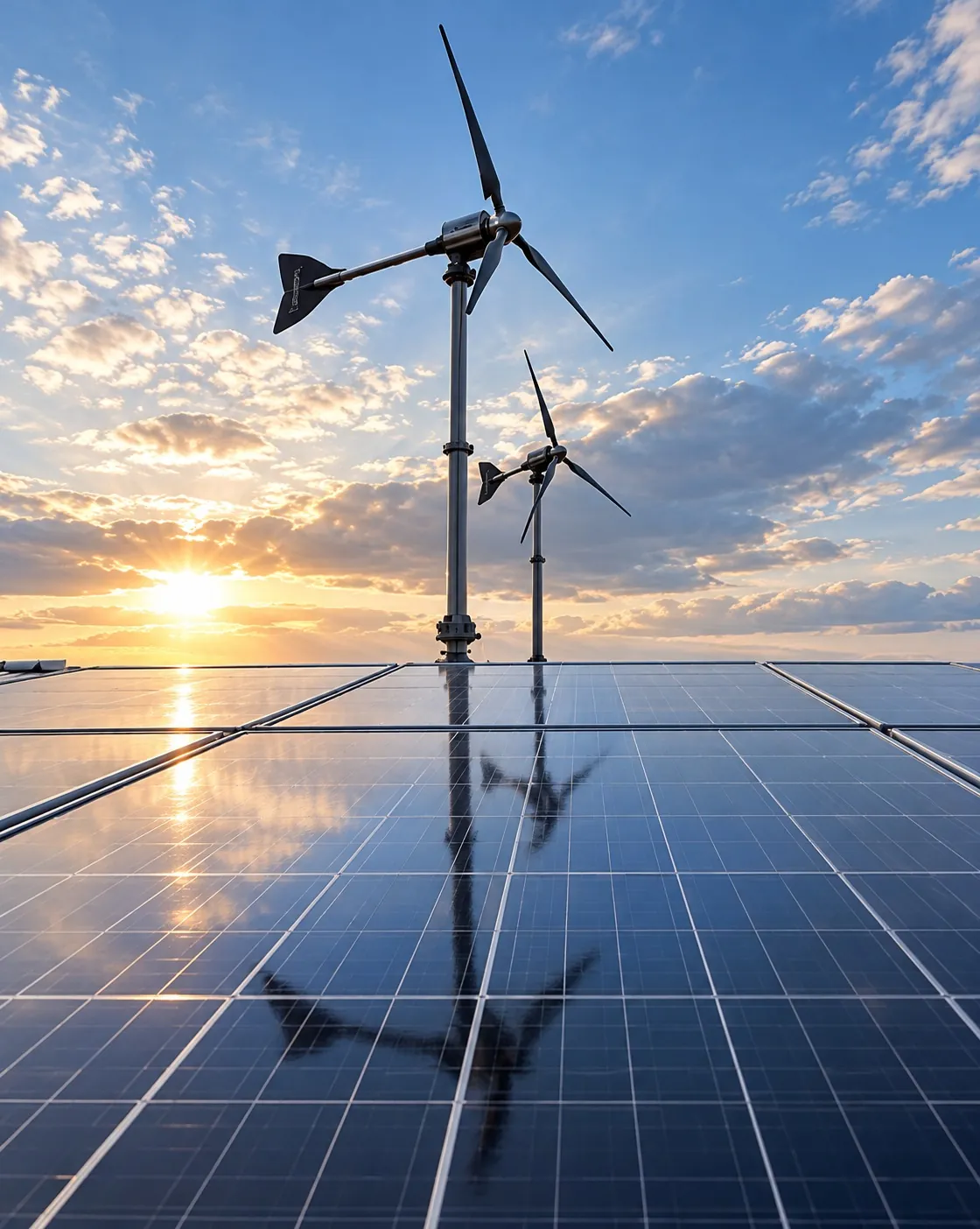
Small wind turbines mounted above solar panels
Strategic importance

The strategic importance of renewable energy sources for military units

  • Uninterrupted Power Supply
  • Energy Independence and Security
  • Renewable Energy Integration
  • Emergency and Crisis Management
  • Operational Flexibility and Mobility
  • Environmental Sustainability
  • Long-Term Strategic Planning
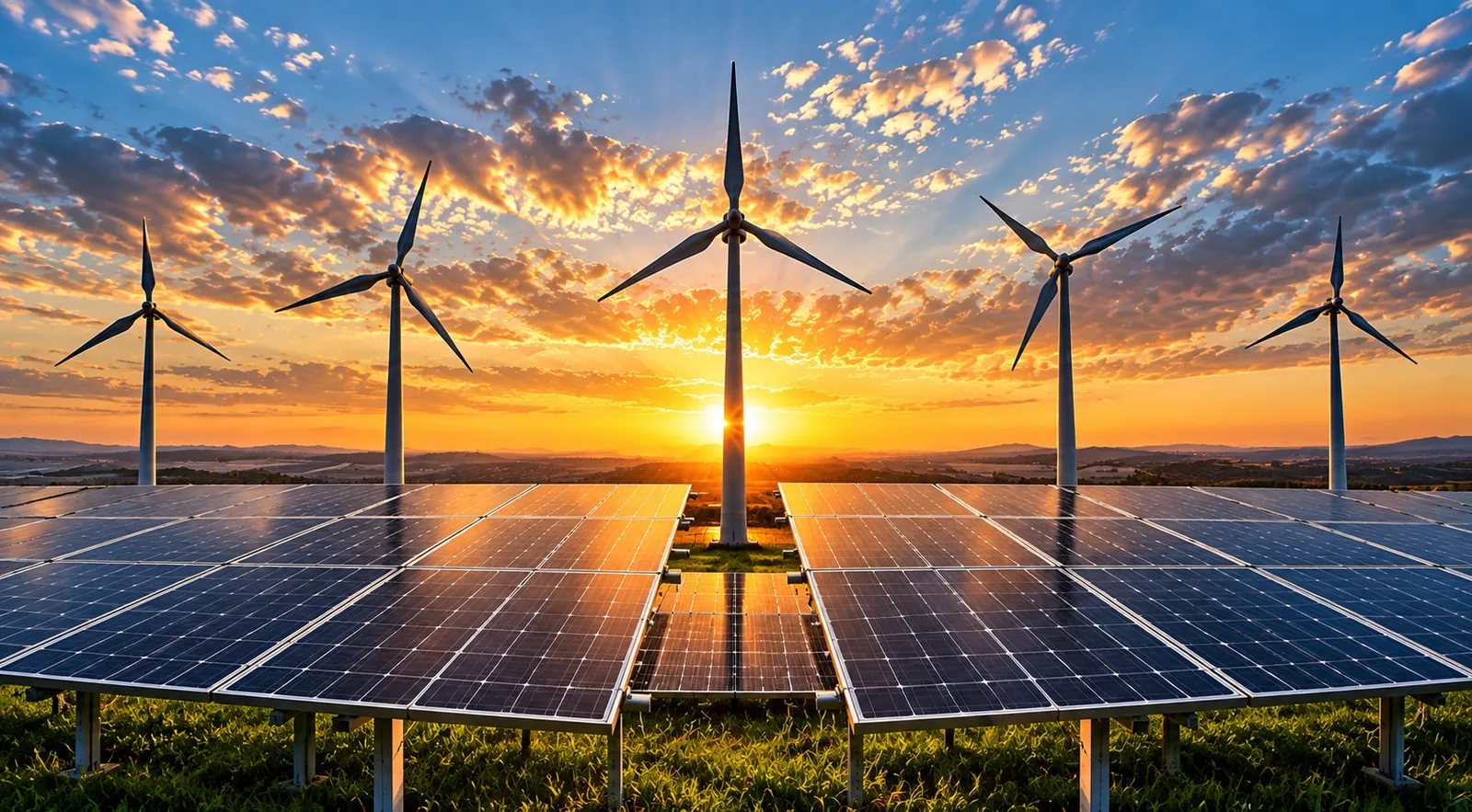
Wind turbines and a solar panel field at sunset
Comparison

The case against existing generator and grid solutions

FeatureRenewable EnergyGenerator
Energy SourceWind - solar PVFossil fuel
SafetyLow risk of thermal runawayRisk of fuel leaks and fire
Environmental ImpactLow carbon footprint, silent operationHigh carbon emissions, noise
CostLow running and maintenance costsHigh fuel and maintenance costs
EfficiencyHigh energy density and efficiencyLow energy losses
Ease of UseAutomatic, uninterrupted operationManual refuelling and regular maintenance
Service LifeLong-lasting, 25 years of energy efficiencyShorter life, 5–7 years

Efficiency and Cost

  • Renewable energy systems last a long time and cost little to maintain.
  • Fuel costs are eliminated.

Safety and Health

  • Silent operation prevents noise pollution.
  • Generator noise and exhaust fumes are eliminated.
  • A cleaner, healthier working environment.

Operational Advantages

  • Renewable energy systems run automatically and without interruption.
  • No fuel resupply is required.
The system

The K Enerji generation and storage system

A hybrid inverter is a device that converts the DC energy produced by an array of solar panels into usable AC power. A hybrid solar inverter stores excess solar energy in a storage system that can then be used as if it were connected to the grid. When the load needs it, the stored energy is drawn from the batteries and converted back into AC power.

A hybrid inverter is a smart inverter that allows surplus solar energy to be stored in a battery system for self-consumption. It works like a standard grid-connected solar inverter but, depending on the application, can usually operate in one of several modes. These include a battery backup mode that provides backup power during an outage.

The main sources feeding the inverter are solar panels and wind turbines. Energy from the sun and wind is used immediately, and any surplus is stored in lithium-ion batteries for later use.

LFP energy storage systems →

The batteries we use

  • Domestically manufactured, which ensures security of supply
  • A service life of 10,000 cycles, equivalent to roughly 27.83 years
  • One of the safest lithium technologies (no risk of explosion)
  • Easy to transport and install

Given its ease of installation and use, its reliability and the 71% cost saving it delivers, we propose the following with a view to using the K Enerji Generation and Storage System in permanent and temporary barracks, facilities and base areas of the Turkish Armed Forces (TSK):

1

Trial the system with a battalion-level pilot unit in the Acıkır area, which all TSK units use extensively for training and live-fire exercises.

2

Carry out the necessary analyses over a one-year trial period to determine precisely the savings the system delivers.

3

During the trial, present the system to units arriving at Acıkır for training and live-fire exercises in order to identify their needs.

4

If the system is judged to bring savings and benefits to the TSK, carry out needs planning with a view to rolling it out across the TSK.

How many panels?Free solar calculator