
Solar panel calculator: how many panels and batteries?
Choose your location and appliances. The calculator uses real solar data for your site to work out how many panels and batteries you need, and how many litres of fuel, and how much money, the same demand would take with a generator.
- 81 provinces, 973 districts, 74,000 neighbourhoods
- PVGIS satellite solar data
- Today’s fuel price by province
- PDF, email, WhatsApp
—
Daily demand
—
Solar panels
—
Battery storage
—
Inverter
—
Monthly solar output and demand
Solar output Demand Not covered by solar
How many days does the battery run flat? PVGIS daily simulation
Share of days each month on which the battery is fully drained, simulated with 10+ years of hourly solar data for your location.
Preparing the simulation…
Where does the energy go?
An average day, hour by hour
Solar From solar From battery
The same demand met by a generator
Generator size
—
Run time
—
Fuel
—
Fuel cost
—
Cost: solar or generator?
Solar + battery investment
—Generator total over 10 years
—Saving with solar over 10 years
—Payback period
—Cumulative cost (including fuel price rises)
Solar + battery Generator (purchase + fuel + servicing)
Calculated with PVGIS 5.3 irradiance and temperature data (European Commission Joint Research Centre), the degree-day heat-loss method and current fuel prices for the selected province. Results are a preliminary sizing; the final design is prepared after a site survey.
Solar panel sizing: the method, step by step
Most calculators give a rough answer from a monthly bill or a national average for sunshine. This one works through each step with the location and appliances you choose:
- Location: for the coordinates of your district, PVGIS supplies the average daily panel yield (kWh/kWp) and air temperature for every month. Elevation, horizon shading and the optimal panel tilt are already built into this data.
- Demand: for each appliance, power × hours × duty cycle is added up. Compressor appliances such as fridges, freezers and cold rooms stay plugged in around the clock, but their motors only run part of the time; the calculator uses that ratio.
- Heat loss: if you heat with electricity, heat demand is found with the degree-day method from monthly average temperature, indoor temperature, floor area and insulation level. Heat pump and air-conditioner efficiency (COP) is reduced as the outdoor temperature drops.
- Panels: depending on the design you choose, the system is sized for the weakest month of the year (year-round supply), the annual total, or the April–October season. Losses are calculated separately for energy used directly during the day and energy drawn from the battery at night.
- Battery: consumption during sunless hours, the days of autonomy you want and the depth of discharge are converted into a number of LFP modules. PVGIS hourly data is then used to simulate how many days a month the battery runs flat.
- Generator: a generator large enough for the same load, including motor starting current, is selected. Fuel is calculated from a consumption curve based on the generator’s rated power and actual load, at today’s pump price in your province.
Solar power or a generator?
Where there is no grid, or power cuts are frequent, a generator is usually the first thing people think of. It is easy to buy, but the real cost comes later: a generator burns fuel to keep its engine turning however small the load. Even with just a fridge and a router running at night, a 3–5 kVA unit uses more than half a litre of petrol an hour.
Solar + LFP battery
- Installed once, needs no fuel
- Silent, odourless, no exhaust
- Two inspections a year
- Panels 25+ years, LFP 6,000+ cycles
- Monitored remotely, runs automatically
Generator
- Fuel every hour, oil service every 100–250 hours
- 70–80 dB of noise, plus exhaust fumes
- Fuel transport, storage and theft risk
- Petrol engine life of ~3,000 hours
- Every fuel price rise hits running costs directly
Battery sizing: how many kWh do you need?
Battery size is set by the energy used when there is no sun, not by total consumption. For a home where the TV, lights, fridge and router run between 18:00 and 08:00, that is typically 55–70% of daily use. In a shop or office that works daytime hours, most of the energy comes straight from the panels, so far less battery is needed. K Enerji LFP modules are 51.2 V 100 Ah (5.12 kWh) units that can be connected in parallel to scale up.
Generator fuel consumption, explained
A generator’s hourly fuel use has two parts: a fixed share needed just to keep the engine turning, which rises with rated power, and a share that grows with the load drawn. That is why an oversized generator burns a lot of fuel even at light load. The calculator first finds the power your appliances could draw at the same time, plus the starting current of motor loads, and picks the smallest suitable generator; it then spreads each month’s demand over the running hours to work out the litres.
Solar calculator: common questions
How do you calculate a solar system size?
Start with daily electricity use: for each appliance, multiply its power (W) by its daily hours and duty cycle, then add lighting and any electric heating or cooling. Divide by the monthly solar yield of the location (kWh per kWp per day) to get the panel capacity, and add enough battery to cover the energy used after sunset. This calculator runs every step with real solar data for the district you select.
How many solar panels does a house need?
In Türkiye, 1 kWp of panels produces roughly 1,300–1,700 kWh a year. A flat that uses 8–10 kWh a day and heats with gas usually needs 6–8 panels of 550 W for summer-weighted use. To stay fully off-grid through winter as well, the design is based on December, the weakest month, and the panel count roughly doubles. The calculator above gives the exact number for your own appliances.
How many kWh of battery storage do I need?
The battery is sized to cover the energy used when there is no sun, in the evening and overnight. LFP batteries can use 90% of their rated capacity. A home that uses 6 kWh at night therefore needs about 7 kWh, or around 14 kWh to ride through a cloudy day as well. The battery simulation in the tool shows, month by month, how many days the chosen capacity runs flat.
How many litres of fuel does a generator use per hour?
Fuel use depends on the generator’s size and load. At half load, a 3.5 kVA petrol generator burns about 1.2–1.5 litres an hour, and a 20 kVA diesel generator 2.5–3 litres of diesel an hour. A generator burns fuel even when idling, so running a single 24-hour appliance such as a fridge can take tens of litres a day.
Is solar power cheaper than a generator?
A generator is cheap to buy, but every running hour costs fuel, and it needs an oil and filter service every 100–250 hours. A solar system is paid for once, needs no fuel and runs silently. Wherever power is needed for more than a few hours a day, a solar system typically pays for itself within 1–4 years. The calculator works out the payback period using today’s fuel price in the province you select.
What data does the calculator use?
Irradiance and temperature come from PVGIS 5.3, the satellite-based database of the European Commission’s Joint Research Centre (hourly data, 2005–2023). Heat loss is estimated with the degree-day method, generator fuel with a consumption curve based on rated power and actual load, and fuel prices with the daily pump price in the selected province. Every assumption can be changed in the settings sections.
Can solar power run an off-grid cabin or construction site?
Yes. In an off-grid system, the panels, a hybrid inverter and an LFP battery work together, so no grid connection is needed. A weekend cabin can often manage with fewer panels, because the battery recharges during the week; the “days of use per week” setting accounts for this.
More of our solutions
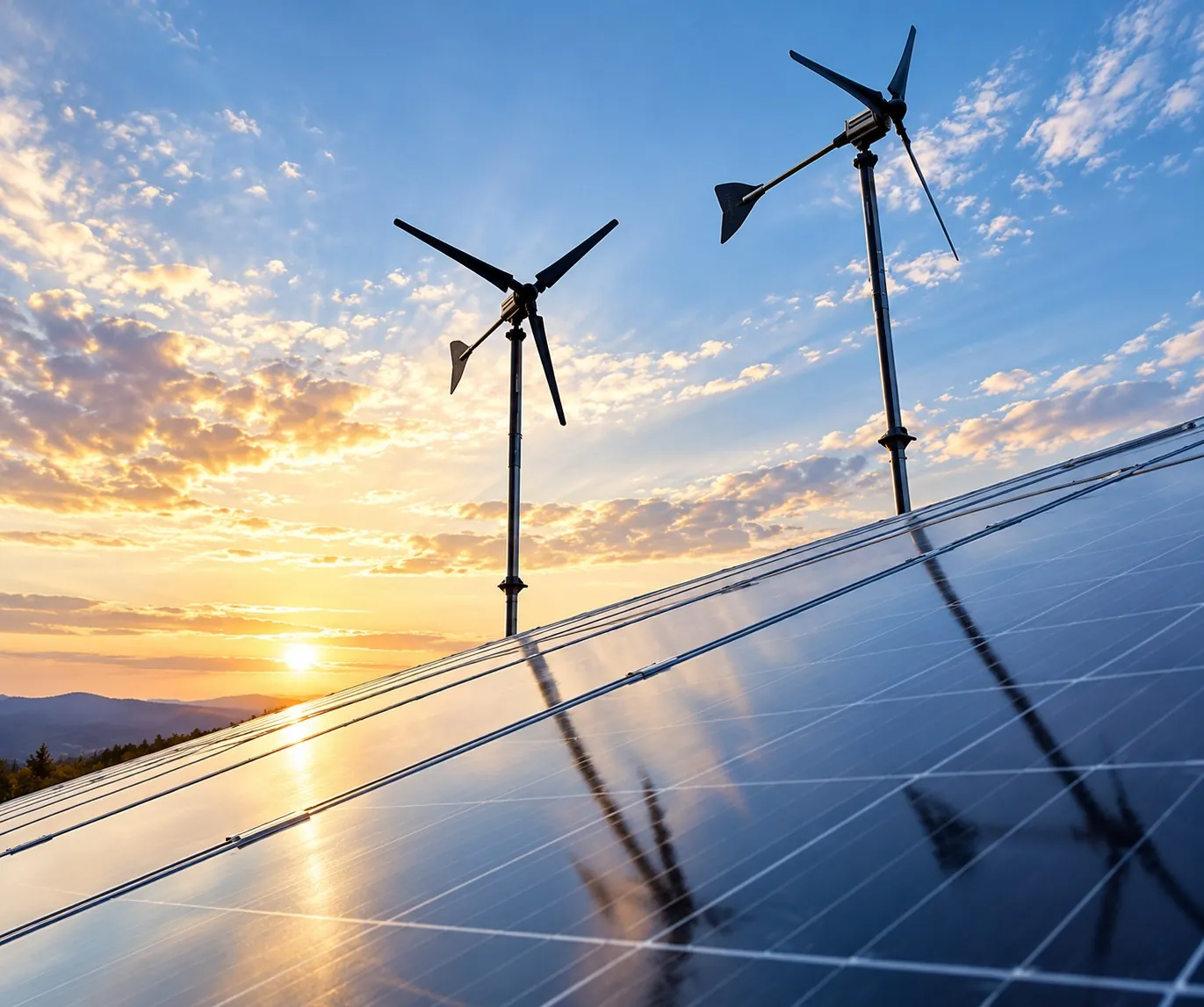
Renewable Energy
Hybrid solar and wind power with energy storage, designed and installed.
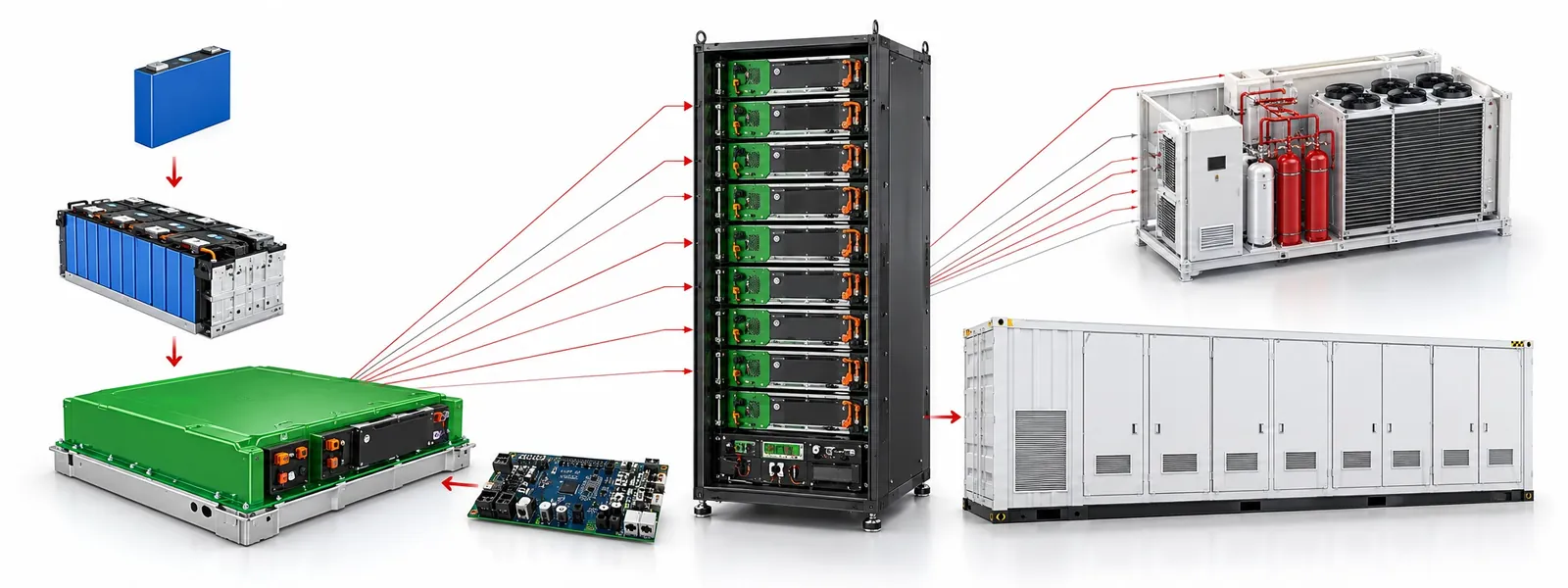
Energy Storage
LFP battery modules, cabinets and containerised ESS.
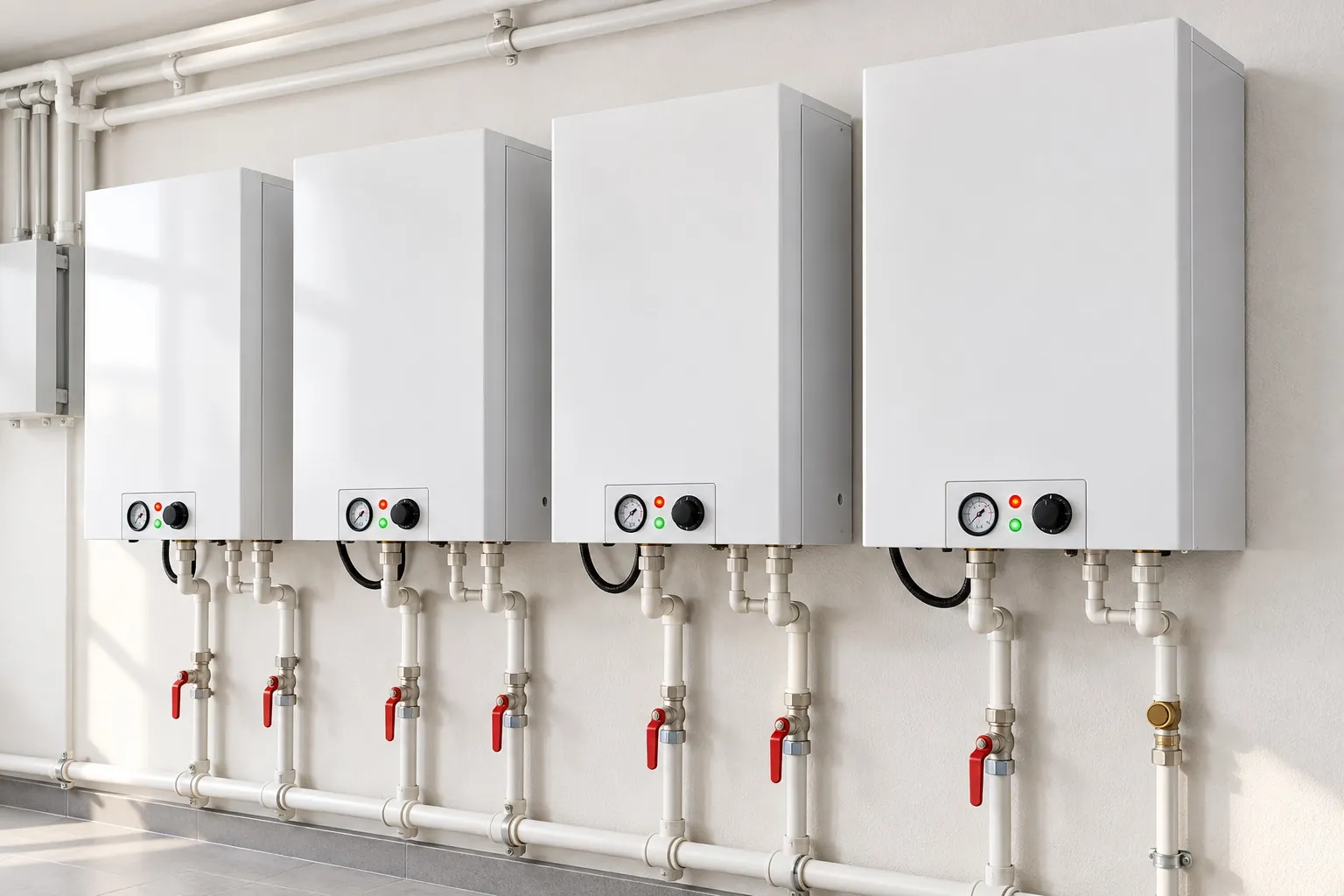
Heating & Hot Water
Boiler K: continuous, low-cost space heating and hot water.
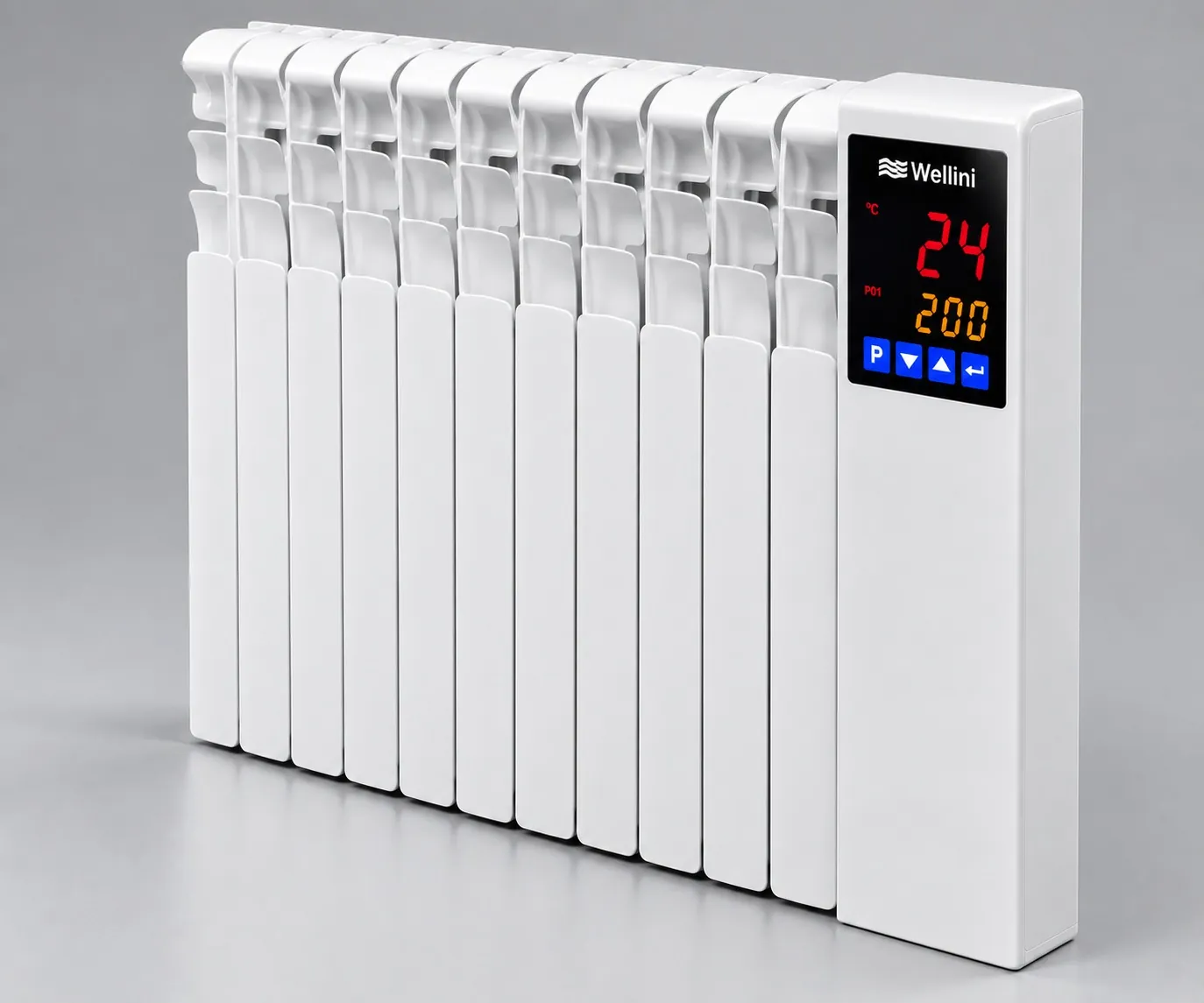
Radiators
Die-cast aluminium radiators and POE-68 assisted panel radiators.
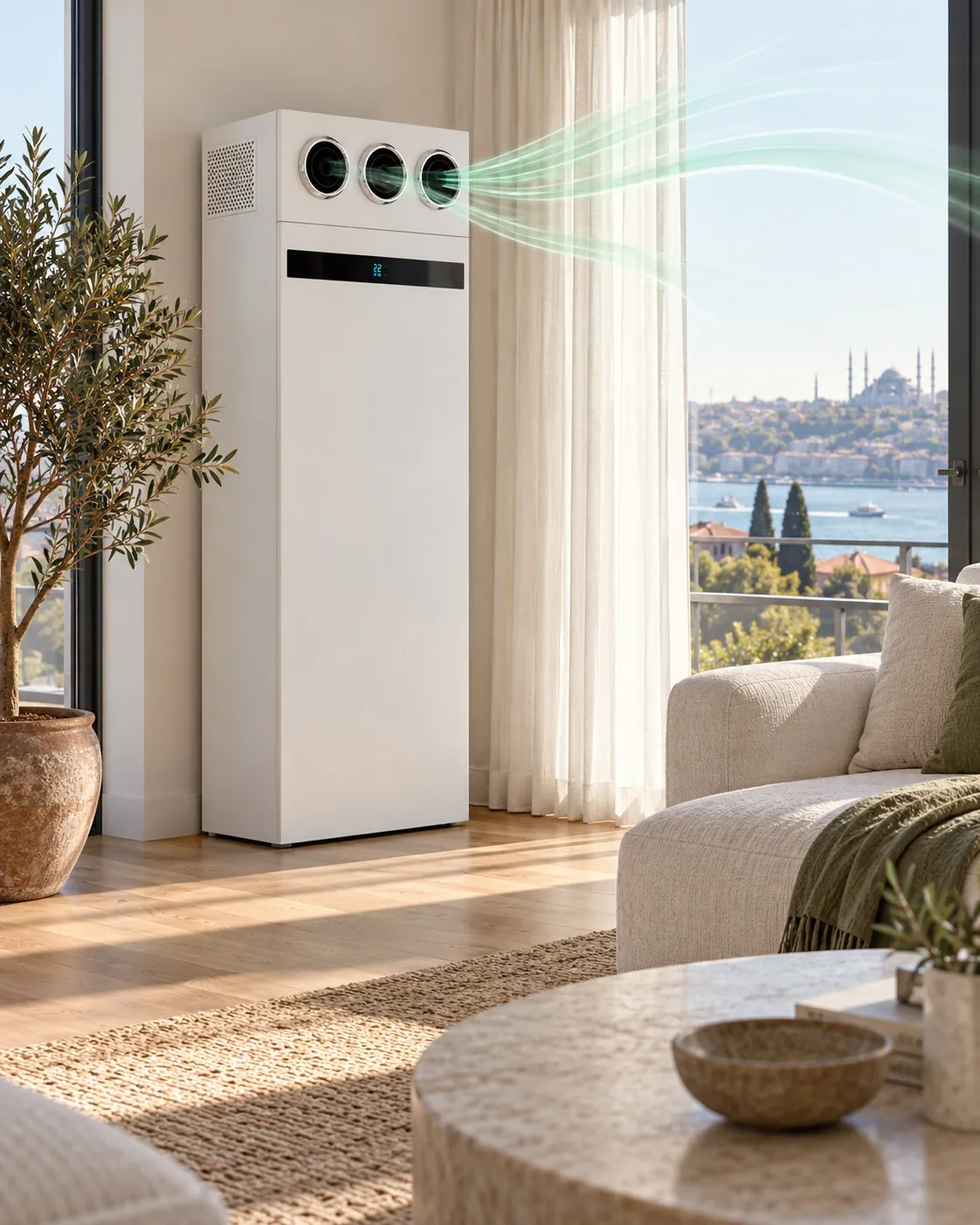
Air Purifier
Tower Series fresh-air units with HEPA filtration and heat recovery.